


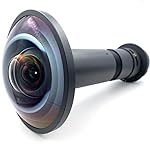
180 Degree Fisheye Lens
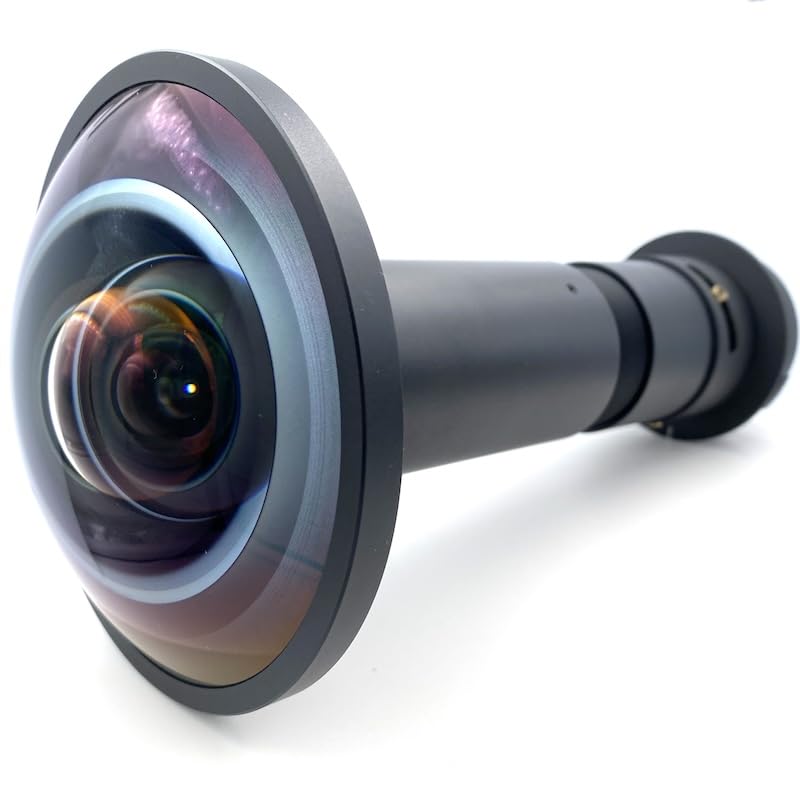
180 degree fisheye lens system allows a projector to spread its image across a curved dome surface.
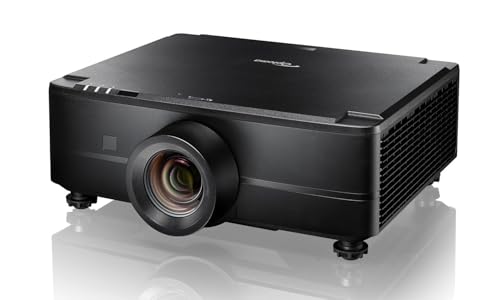
When paired with a high-performance projector like the Optoma ZK810TST or Optoma ZK810T.
a fisheye lens transforms standard projection into a fully immersive 180° visual environment.
180-degree fisheye lens for Optoma ZK810T/ZK810TST works, its features, benefits, limitations, and practical use in dome and planetarium setups.
What is a 180 Degree Fisheye Lens in Dome Projection?
180-degree fisheye lens is an ultra-wide optical attachment designed to project images in a hemispherical (half-dome) format. Instead of projecting a flat rectangular image like standard lenses, it warps and spreads the image across a curved surface.
In dome projection systems, this allows a single projector to cover:
- Entire dome ceilings (planetarium style)
- Immersive simulation environments
- Educational astronomy domes
- Art and experiential installations
When mounted on a high-brightness laser projector such as the ZK810TST, it creates a seamless full-dome immersive experience.
Compatibility with Optoma ZK810T / ZK810TST
The Optoma ZK810T series is designed for professional installations, offering:
- True 4K UHD resolution
- Up to 8500 lumens brightness
- DuraCore laser light source (long life up to 30,000 hours)
- Flexible lens shift and installation geometry
These features make it suitable for dome projection when paired with a fisheye lens system.
The short-throw version (ZK810TST) is especially useful because:
- It reduces projection distance inside dome structures
- Minimizes shadow interference
- Allows central mounting in tight dome environments
How the 180° Fisheye Lens System Works
In a dome setup, the fisheye lens acts as an optical “spreader”:
- The projector generates a standard image (usually flat 16:9 or 4K format)
- The fisheye lens optically warps the image
- The warped image is projected upward or downward
- The dome surface reflects it into a full immersive environment
This system is often combined with software “warping” to correct geometry so that straight lines appear natural inside the dome.
Key Features of 180 Degree Fisheye Lens for Dome Projection
1. Ultra-Wide Field of View
The lens can project nearly 180 degrees hemispherical coverage, making it ideal for dome ceilings and planetariums.
2. Seamless Full-Dome Coverage
A properly calibrated fisheye lens reduces the need for multiple projectors in small to medium domes.
3. High Optical Precision
Professional fisheye lenses used in planetarium systems are designed to minimize:
- Edge distortion
- Chromatic aberration
- Light falloff at dome edges
4. Compatibility with High-Brightness Projectors
Works best with laser projectors like the ZK810TST due to:
- High lumen output (needed for dome brightness uniformity)
- 4K resolution (needed for detail retention after warping)
5. Motorized or Adjustable Mounting Options
Some systems allow fine tuning of:
- Lens distance
- Focus alignment
- Projection angle
This is critical for dome geometry calibration.
(Pros)
1. Immersive Experience
The biggest advantage is the ability to create a true planetarium-style environment where viewers feel surrounded by visuals.
2. Cost Efficiency for Small Domes
Instead of using multiple projectors, a single fisheye system can sometimes cover an entire dome.
3. High Image Quality
When combined with a 4K projector like the ZK810TST, it delivers sharp and detailed imagery even after distortion correction.
4. Flexible Installation
The system supports various dome sizes and can be mounted:
- Ceiling center
- Floor base (upward projection)
- Rear projection configurations
5. Strong Brightness Compatibility
High lumen projectors maintain visibility even after fisheye diffusion across a large curved surface.
(Cons)
1. High Setup Complexity
Installing a 180° fisheye system is not plug-and-play. It requires:
- Optical alignment
- Software warping calibration
- Precise dome geometry mapping
2. Edge Distortion Challenges
Even high-quality lenses may show:
- Stretching at dome edges
- Brightness falloff
- Color shift at extreme angles
3. High Cost of Optical Components
Professional fisheye lenses for dome projection are significantly more expensive than standard projector lenses.
4. Requires Powerful Projector Output
Not all projectors can handle fisheye projection effectively. Lower brightness systems may look dim in large domes.
5. Limited Compatibility Without Calibration Software
Proper dome projection requires specialized mapping tools to correct fisheye distortion.
Applications of 180° Fisheye Lens Systems
Planetariums
Used to simulate:
- Night sky
- Star movement
- Astronomical simulations
Education Centers
Ideal for teaching:
- Space science
- Geography visualization
- Physics simulations
Museums & Exhibitions
Creates immersive storytelling environments.
Simulation Training
Used in:
- Aviation simulators
- Military training domes
- Driving simulation systems
Immersive Art Installations
Artists use dome projection for:
- 360° visual art
- Light shows
- Experimental digital environments
Installation Considerations
When pairing a fisheye lens with the Optoma ZK810TST system, consider:
1. Dome Size
Small domes require careful scaling of projection mapping.
2. Mount Position
Center alignment is critical for symmetrical dome coverage.
3. Calibration Software
Essential for correcting fisheye warping into correct dome geometry.
4. Brightness Management
Use projector brightness balancing to avoid hot spots.
5. Cooling and Ventilation
Laser projectors in enclosed dome setups require proper airflow.
Final Thoughts
The 180-degree fisheye lens for Optoma ZK810T and ZK810TST represents a powerful solution for creating immersive dome and planetarium experiences. When paired with a high-end 4K laser projector, it enables stunning full-dome visuals with strong brightness, sharp detail, and long-term reliability.
However, it is not a simple consumer setup. It demands careful optical alignment, calibration, and often specialized software support.
For institutions, educators, museums, and immersive designers, this combination offers one of the most effective ways to build a true cinematic dome environment that feels both realistic and engaging.
Reviews
There are no reviews yet.